The Tarte Tatin That Forgives Mistakes
Table of contents
Introduction
Legend has it the tarte Tatin was born from a mistake — the Tatin sisters left their apples caramelizing too long and threw a pastry lid on top to save dinner. That origin story is the whole appeal: it’s a dessert that rewards a little chaos. Here’s the version I keep coming back to.
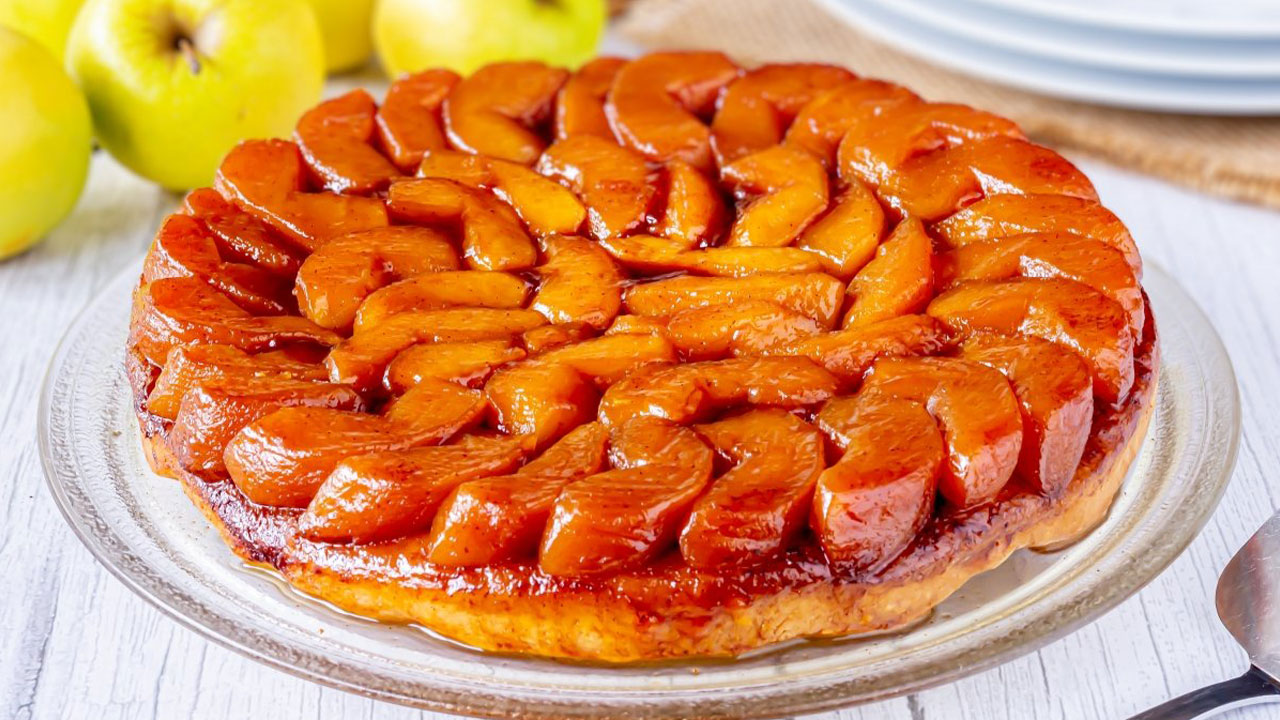
Ingredients
Serves 6–8. You’ll need a 24 cm (10 inch) oven-safe skillet.
- 6 to 8 firm apples (Golden Delicious or Honeycrisp hold their shape)
- 150 g granulated sugar
- 80 g unsalted butter, cubed
- 1 sheet of all-butter puff pastry (about 250 g)
- A pinch of flaky salt
- Optional: a splash of Calvados or a vanilla pod
Method
- Prep the apples. Peel, halve, and core them. Don’t slice them thin — big chunks survive the caramel.
- Make the caramel. In the skillet over medium heat, melt the sugar until it turns deep amber. Take it off the heat, stir in the butter and salt, and add the Calvados if using. It will bubble — that’s fine.
- Arrange the apples. Pack them rounded-side-down into the caramel, tightly. They shrink as they cook, so crowd them now.
- First cook. Return to medium-low heat for 15–20 minutes, basting with the caramel, until the apples soften and the caramel thickens.
- Top with pastry. Roll the puff pastry slightly larger than the pan. Lay it over the apples and tuck the edges down inside the pan, like tucking in a bed.
- Bake. 200°C (400°F) for 25–30 minutes, until the pastry is deep golden and puffed.
- The nervous flip. Let it rest 5 minutes — no longer, or the caramel glues itself to the pan. Put a plate over the skillet and flip in one confident motion. Any apple that sticks behind, just press back into place.
Notes
Serve warm, ideally with crème fraîche or a scoop of vanilla ice cream that melts into the caramel. If the caramel looks loose after flipping, give it a few minutes — it sets as it cools. And if a slice falls apart on the plate? So did the original. That’s tradition.
· 2 min read